USA Constitution Day 17 September: A Celebration of Freedom and Democracy
Every year on 17 September, the United States honors a pivotal moment in its history—the signing of the U.S. Constitution in 1787. This day, known as USA Constitution Day, serves as a reminder of the foundational principles that continue to shape the nation. For educators, designers, and citizens alike, it’s an opportunity to reflect on the values of liberty, justice, and democracy. Whether you're creating a patriotic banner, poster, or flyer design, understanding the significance of this day can help you craft meaningful and impactful visuals.
Why Celebrate USA Constitution Day 17 September?
USA Constitution Day is more than just a historical event—it's a celebration of the ideals that define the American way of life. The Constitution established the framework for the government, ensuring checks and balances, individual rights, and the rule of law. It’s a document that has stood the test of time, evolving with the nation while maintaining its core principles. For many, this day is a chance to educate others about the importance of civic engagement, citizenship, and the responsibilities that come with freedom.
For creators and marketers, USA Constitution Day offers a unique platform to connect with audiences through visual storytelling. A well-designed banner or poster can capture the spirit of the occasion, making it a valuable tool for schools, businesses, and community organizations looking to promote awareness and appreciation of the Constitution.
Common Mistakes When Designing for USA Constitution Day
While designing for USA Constitution Day can be rewarding, there are several common mistakes that can undermine the effectiveness of your work. One frequent error is overlooking the historical and cultural context of the event. A design that lacks authenticity or fails to reflect the significance of the Constitution may come across as shallow or unimpressive.
Another mistake is using generic or overly simplistic imagery. Many designs rely on clichés like stars, stripes, and gavels without considering how these elements can be creatively reinterpreted. This can lead to a lack of originality and make your work indistinguishable from others.
Additionally, some designers neglect to consider the practical aspects of their work. For example, failing to ensure that a design is fully editable or compatible with different file formats can create unnecessary challenges when it comes to customization or printing.
How to Avoid Common Pitfalls
To create a compelling and effective design for USA Constitution Day, start by researching the history and symbolism of the Constitution. Understanding the meaning behind elements like the Great Seal, the Bill of Rights, and the structure of the government can inspire more thoughtful and meaningful visuals.
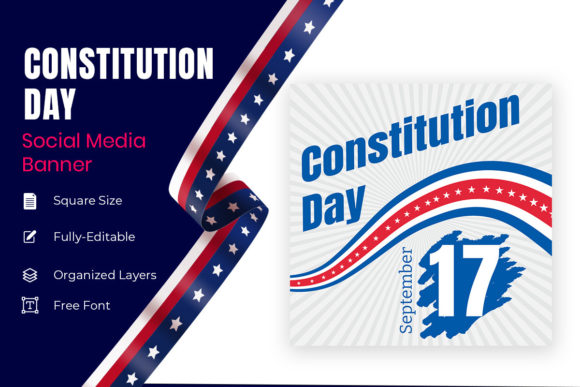
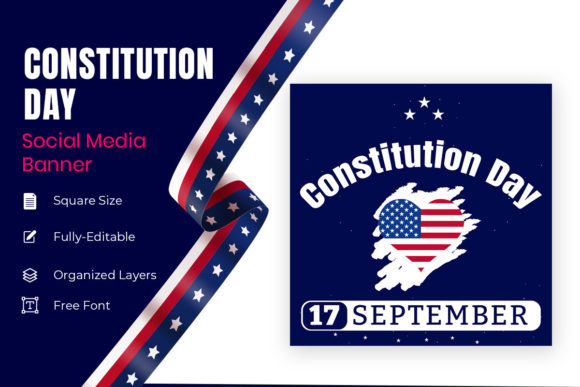
When choosing a color scheme, consider the traditional colors of the American flag—blue and red. These colors not only represent national pride but also provide a strong visual foundation for your design. Incorporating brush strokes or other artistic elements can add depth and creativity, making your work stand out.
It’s also important to pay attention to the technical details. If you’re working with design files like PSD, AI, EPS, or PDF, make sure they are properly structured and easy to edit. Including a help file with instructions and free font links can save users time and reduce frustration.
What to Check Before Using a Design Template
If you're downloading or purchasing a design template for USA Constitution Day, there are several factors to consider before using it. First, verify that the files are fully editable and compatible with your software. Some templates may have restrictions that limit your ability to customize them effectively.
Check the licensing terms to ensure that you’re allowed to use the design for your intended purpose. Some templates may require attribution or have limitations on commercial use. Understanding these terms can prevent legal issues down the line.
Also, review the quality of the design. Poorly executed graphics, low-resolution images, or inconsistent typography can detract from the overall impact of your work. Look for clean layouts, clear fonts, and high-quality assets that align with the theme of the Constitution.
Best Practices for Creating a Patriotic Design
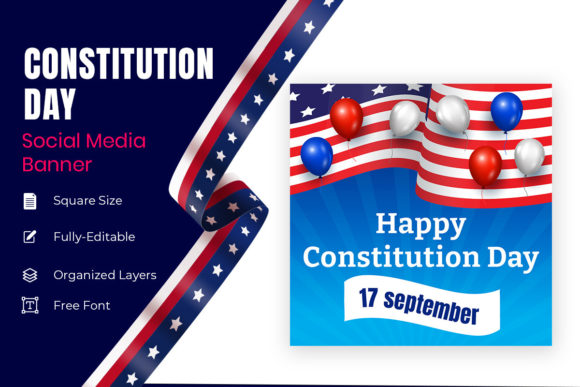
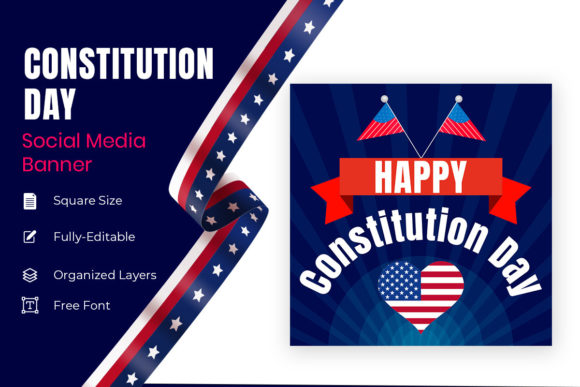
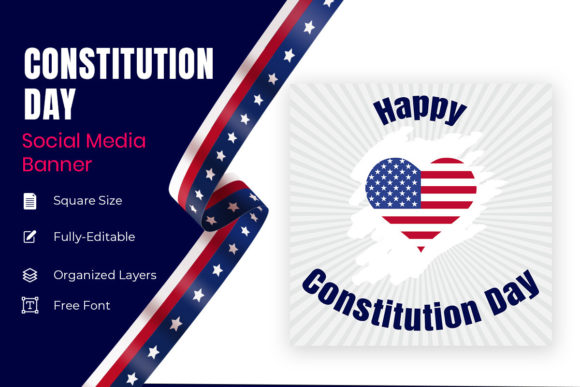
A successful USA Constitution Day design should balance tradition with creativity. Start by selecting a strong visual hierarchy that guides the viewer’s eye through the composition. Use bold text for key messages like “Happy Constitution Day” or “Celebrate Citizenship,” and pair it with supporting graphics that reinforce the theme.
Consider incorporating elements that symbolize the values of the Constitution, such as scales of justice, a gavel, or a quill pen. These symbols can add depth and meaning to your design while keeping it visually engaging.
Finally, don’t forget the importance of clarity and readability. Your design should communicate its message effectively, whether it’s for a school project, a community event, or a marketing campaign. Avoid clutter, choose fonts that are easy to read, and ensure that all text is legible at different sizes.
Final Thoughts on USA Constitution Day 17 September
USA Constitution Day is more than just a date on the calendar—it’s a moment to honor the legacy of the Founding Fathers and the enduring principles of the United States. By approaching your design with care, creativity, and attention to detail, you can create something that resonates with viewers and reflects the true spirit of the occasion.
Whether you're a designer, educator, or simply someone who appreciates the values of freedom and democracy, there’s always room to learn and improve. Take the time to understand the significance of this day, avoid common mistakes, and focus on creating work that is both meaningful and effective.
If you have any questions or need help customizing a design, don’t hesitate to reach out. With the right approach, your USA Constitution Day creation can be a powerful expression of patriotism and pride.