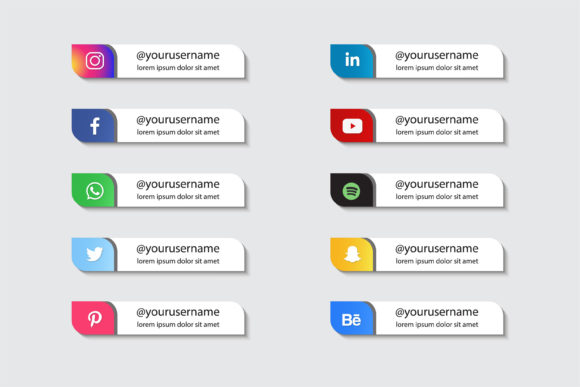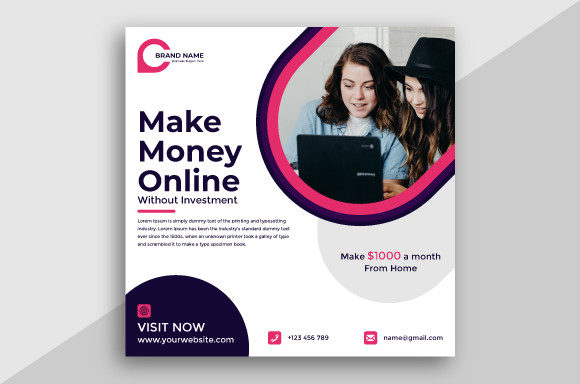
Corporate Social Media Banner: A Guide to Effective Digital Branding
In today’s digital-first world, a strong online presence is essential for businesses of all sizes. One of the most effective tools in this arsenal is the Corporate Social Media Banner. These banners serve as visual representations of a brand on social platforms, helping to build recognition, convey messaging, and engage audiences. Whether you're a small business owner or a marketing professional, understanding the value and design of a Corporate Social Media Banner can make a significant difference in your digital strategy.
What Is a Corporate Social Media Banner?
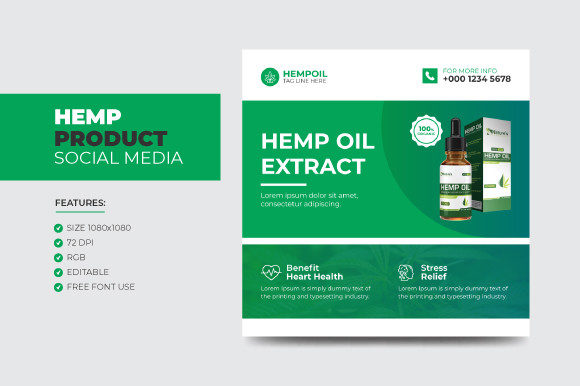
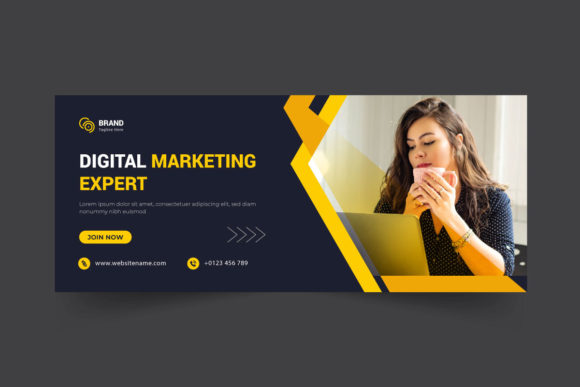
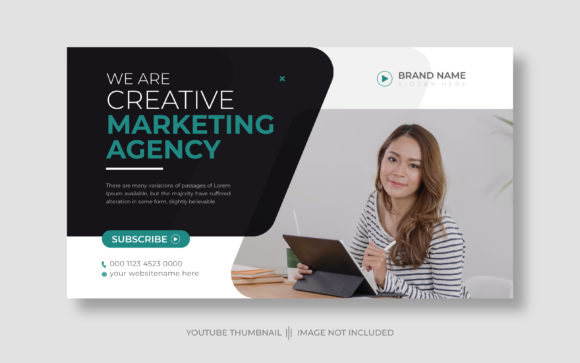
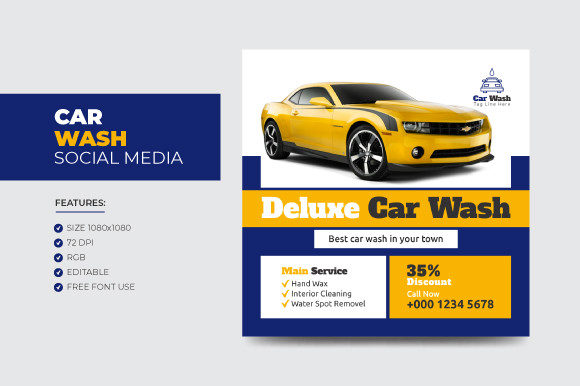
A Corporate Social Media Banner is a graphic image that appears at the top of a social media profile, such as Facebook, LinkedIn, or Twitter. It serves as a visual extension of a brand’s identity, often incorporating logos, taglines, color schemes, and other key branding elements. These banners are designed to be eye-catching and consistent with a company’s overall aesthetic, ensuring that their message is clear and recognizable across different platforms.
Unlike standard profile pictures, which are usually square or circular, Corporate Social Media Banners are typically wider and longer, allowing for more detailed visuals. This format makes them ideal for storytelling, showcasing products, or highlighting key messages in a visually engaging way.
The Role of Vector-Based Design in Social Media Banners
When it comes to creating a Corporate Social Media Banner, the design approach plays a crucial role in its effectiveness. One popular method is using vector-based design, which offers several advantages over raster graphics. Vector graphics are created using mathematical equations rather than pixels, making them scalable without loss of quality. This means that a Corporate Social Media Banner built with vector elements will look sharp on any screen size, from mobile devices to large monitors.
Designers often use Adobe Illustrator to create these banners due to its powerful vector tools. The software allows for precise control over shapes, typography, and colors, ensuring that the final design meets both aesthetic and functional requirements. Additionally, vector files can be easily edited and adapted for different platforms, making them a versatile choice for businesses that need to update their branding frequently.
Key Features of a Corporate Social Media Banner
- High-Resolution Output: A Corporate Social Media Banner should be available in high-resolution formats like PNG or JPEG to ensure clarity on all devices.
- Brand Consistency: The banner must align with a company's existing brand guidelines, including colors, fonts, and logo placement.
- Clear Messaging: While aesthetics are important, the banner should also communicate a clear message or purpose, such as promoting a product, event, or service.
- Platform Compatibility: Different social media platforms have specific dimensions and file size limits. A well-designed Corporate Social Media Banner should meet these requirements to avoid distortion or cropping.
Where Can You Use a Corporate Social Media Banner?
Corporate Social Media Banners are widely used across various industries and platforms. Here are some common applications:
- LinkedIn: Ideal for professional profiles, showing company culture, mission, or team highlights.
- Facebook: Great for businesses looking to promote their brand, services, or events directly on their page.
- Twitter/X: Useful for personal or business accounts to reinforce brand identity and share key updates.
- Instagram: Though less common, some brands use banners to enhance their profile pages and create a cohesive look.
Additionally, Corporate Social Media Banners can be used in email signatures, website headers, and digital signage, providing a unified brand experience across multiple touchpoints.
Who Benefits From a Corporate Social Media Banner?
While Corporate Social Media Banners are particularly useful for businesses, they also benefit a wide range of users:
- Business Owners: These banners help establish a professional image and increase brand visibility.
- Marketing Professionals: They can use banners to support campaigns, track engagement, and maintain a consistent brand presence.
- Creators and Influencers: Personalized banners allow them to showcase their unique style and connect with their audience.
- Nonprofits and Organizations: These banners can be used to promote causes, events, or community initiatives.
Whether you're a startup or an established enterprise, a well-designed Corporate Social Media Banner can enhance your digital footprint and improve audience engagement.
Designing a Corporate Social Media Banner: Best Practices
Creating an effective Corporate Social Media Banner requires careful planning and attention to detail. Here are some best practices to consider:
- Keep It Simple: Avoid clutter by focusing on one main message or visual element.
- Use High-Quality Images: Blurry or pixelated images can hurt your brand’s credibility.
- Optimize for Mobile: Most users access social media on mobile devices, so ensure the banner is readable on smaller screens.
- Include Contact Information: Add a call-to-action, such as a website link or contact details, to drive traffic and conversions.
For those who want to create a Corporate Social Media Banner themselves, Adobe Illustrator is a powerful tool that allows for advanced design capabilities. However, if you're not familiar with the software, hiring a professional designer or using pre-made templates may be a more efficient option.
Files Included: What to Expect
When purchasing or downloading a Corporate Social Media Banner, you’ll typically receive multiple file formats to suit different needs. These may include:
- JPG Files: Ideal for quick sharing and web use, but may lose some quality when scaled.
- AI Illustrator Files: Allow for easy editing and customization in Adobe Illustrator.
- EPS CC Version: A vector format that maintains quality at any size, suitable for print and digital use.
- High-Resolution PNG: Offers transparency and excellent quality, perfect for web and social media use.
Having access to these files ensures that your Corporate Social Media Banner can be adapted for different platforms and future updates without losing quality.
Considerations and Limitations
While Corporate Social Media Banners offer many benefits, there are some considerations to keep in mind:
- Platform Restrictions: Each social media platform has specific dimensions and file size limits, which can affect how your banner is displayed.
- Design Complexity: Overly complex designs may not translate well on smaller screens or in certain formats.
- Update Frequency: As your brand evolves, you may need to update your banner regularly, which requires time and resources.
It’s important to set realistic expectations and plan for future changes when creating a Corporate Social Media Banner.
Real-World Applications
Let’s look at a few real-world examples of how Corporate Social Media Banners are used:
- Startup Launch: A new tech startup uses a banner to showcase their logo, mission statement, and website URL, helping to build brand awareness quickly.
- Event Promotion: A music festival uses a vibrant banner with countdown timers and artist photos to attract attendees and generate excitement.
- Professional Profile: A consultant creates a banner that reflects their expertise, includes client testimonials, and links to their portfolio.
These examples demonstrate how a well-designed Corporate Social Media Banner can be tailored to specific goals and audiences.
How to Evaluate Suitability for Your Needs
Before investing in a Corporate Social Media Banner, ask yourself the following questions:
- What is my primary goal for using a banner? (e.g., brand awareness, lead generation, event promotion)
- Which platforms will I use it on? (e.g., LinkedIn, Facebook, Instagram)
- Do I have the design skills or resources to create one?
- What is my budget for design and development?
By answering these questions, you can determine whether a Corporate Social Media Banner is the right fit for your business or personal brand.