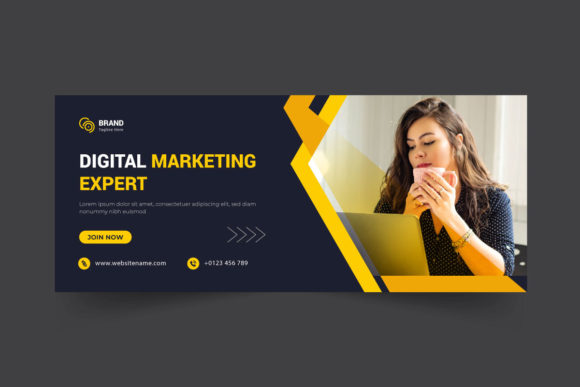
Digital Marketing Web Banner Design: A Practical Guide to Effective Visual Communication
Creating an effective digital marketing web banner design is more than just choosing a pretty image. It’s about crafting a visual message that resonates with your audience, drives engagement, and supports your broader marketing goals. Whether you're a small business owner, a marketer, or a designer, understanding the key elements of web banner design can make a significant difference in how your brand is perceived online.
What Is Digital Marketing Web Banner Design?
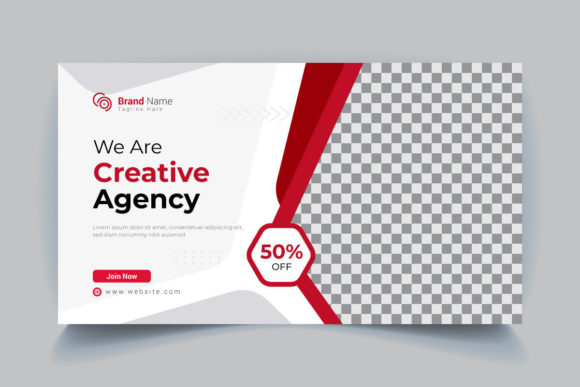
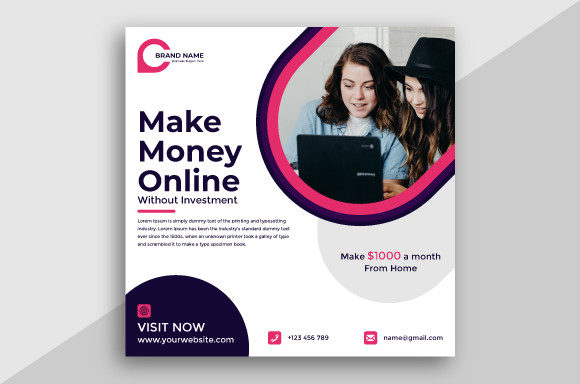
Digital marketing web banner design refers to the creation of graphic elements used on websites to promote products, services, or messages. These banners are typically placed in high-traffic areas of a site, such as the homepage or landing pages, to capture attention and encourage action. A well-designed web banner can increase brand visibility, improve user experience, and boost conversion rates.
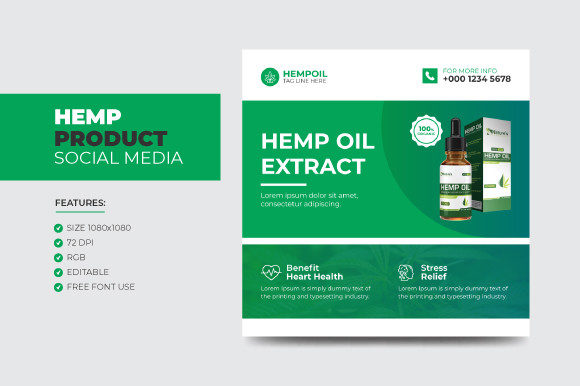
Web banners come in various sizes, but one of the most common is 1280×720 pixels. This resolution ensures that your design looks sharp on a wide range of devices, from desktops to mobile screens. The design should also be optimized for 300 DPI, which means it will maintain clarity when printed or viewed at larger sizes. Using RGB color mode is essential for digital displays, as it provides a vibrant and accurate representation of colors on screens.
Common Mistakes in Web Banner Design
Many people overlook critical details when working on digital marketing web banner design, which can lead to poor results. One common mistake is not considering the size and format requirements. For example, using a banner that is too large or too small for the space it occupies can disrupt the layout and confuse users.
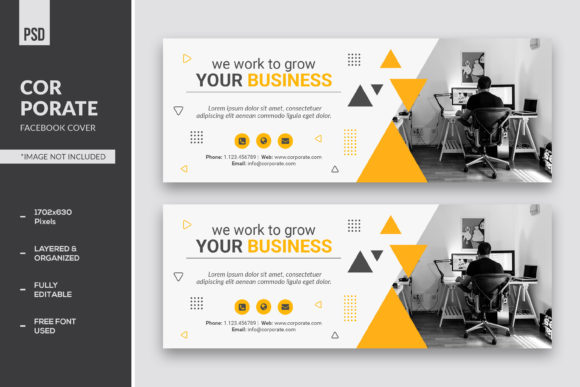
Another frequent error is ignoring the importance of easy editing. If a design isn’t easy to modify, it can become a barrier when updates or changes are needed. Free fonts are a great resource, but they should be chosen carefully to ensure they align with your brand’s tone and style. Poor font choices can make your message less readable or unprofessional.
Customizability is another factor that’s often underestimated. A web banner that offers 100 customizable elements allows for greater flexibility, making it easier to adapt the design to different campaigns or platforms. Choosing a design that lacks this flexibility may limit your ability to test different variations and optimize performance.
Why Flat Design Matters
Flat design has become a popular choice in web banner creation due to its simplicity and effectiveness. This style uses minimalistic elements, bold colors, and clear typography to convey information quickly. Flat design files, such as EPS and JPEG formats, are easy to work with and compatible with a wide range of software tools.
Choosing a flat design can help reduce clutter and make your message more digestible for users. It also ensures that your banner remains visually appealing across different platforms and screen sizes. However, it’s important to balance simplicity with creativity to avoid making your design look generic or unmemorable.
Key Considerations Before Finalizing Your Design
Before finalizing your digital marketing web banner design, there are several factors to consider. First, review the technical specifications. Ensure that your file meets the required dimensions, resolution, and color mode. Failing to do so can result in a poorly rendered banner that doesn’t perform as expected.
Next, evaluate the usability of the design. Does it communicate your message clearly? Is the call-to-action prominent and easy to understand? A banner that’s visually appealing but confusing to users won’t achieve its intended purpose. Test your design on different devices to see how it looks and functions in real-world scenarios.
Finally, think about the long-term value of the design. Will it remain relevant for future campaigns? Can it be easily updated without requiring a complete redesign? Investing in a versatile and adaptable web banner can save time and resources in the long run.
Practical Tips for Better Web Banner Design
To avoid common pitfalls and create a more effective digital marketing web banner design, start by defining your goals. Are you trying to drive traffic, generate leads, or increase brand awareness? Your objectives will shape the content, visuals, and messaging of your banner.
Use high-quality images and graphics that align with your brand identity. Avoid stock photos that feel generic or outdated. Instead, opt for visuals that reflect your brand’s personality and values. Keep text concise and focused, ensuring that your message is clear and direct.
Experiment with different layouts and styles to find what works best for your audience. A/B testing can be a powerful tool to compare the performance of different designs and make data-driven decisions. By continuously refining your approach, you can create web banners that resonate with your target market and deliver measurable results.
Conclusion: Make Informed Choices for Better Results
Understanding the nuances of digital marketing web banner design can help you make informed decisions that enhance your online presence. By avoiding common mistakes, focusing on usability, and prioritizing quality, you can create banners that engage users and support your marketing efforts. Remember, a well-designed web banner isn’t just about aesthetics—it’s about communication, clarity, and impact.